Third Act
How to start a physical media collection without going broke
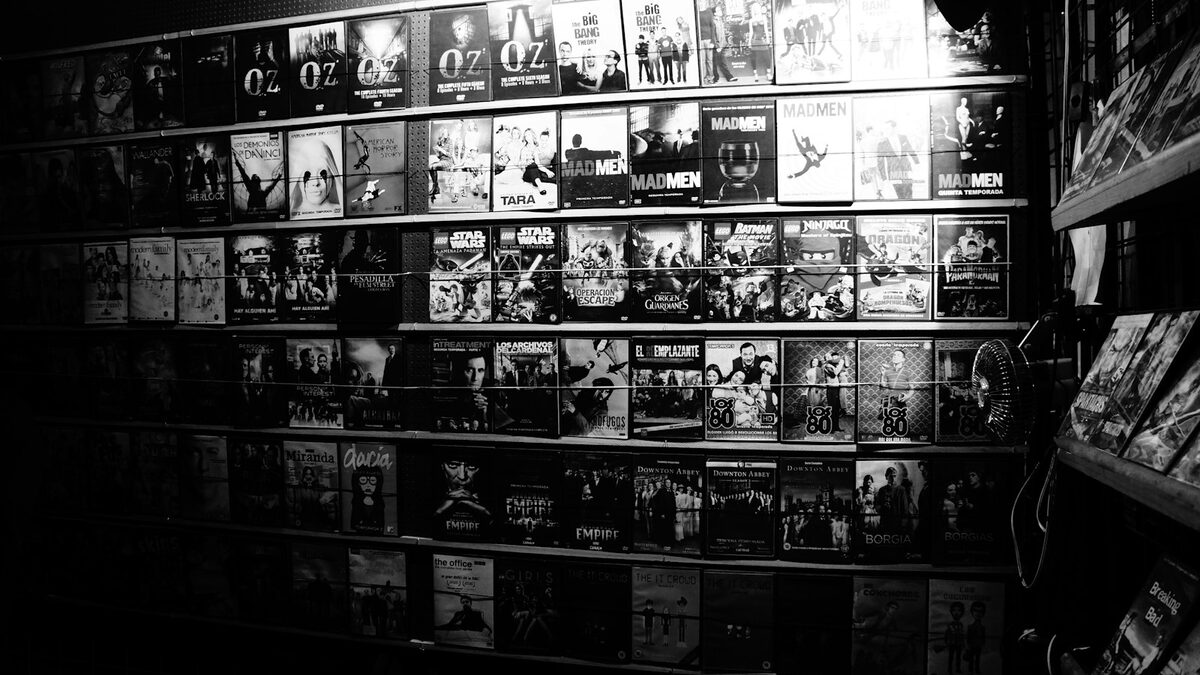
I get some version of the same message every time I write about discs: someone wants to start collecting physical media but is worried it means spending hundreds of dollars on a shelving unit and a player before they've even bought their first disc. It doesn't. Here's what actually matters, in the order it actually matters.
You need a player before you need a collection
Buy the player first, and buy a decent one — this is the one place in this hobby where going cheap costs you later. A budget Blu-ray player in the $60–$90 range from a established electronics brand will outlast a $30 no-name unit by years, and region compatibility and disc-read reliability vary more than people expect at the low end. You don't need a reference-grade deck. You need one that won't choke on a scratched rental-store castoff and won't die eighteen months in.
If you already have a game console capable of playing Blu-rays, that covers you for now. Don't buy a dedicated player until you know how much you're actually going to use it.
The one rule that keeps this from sprawling
Before you buy anything, decide on a rule for what earns a spot on the shelf, and stick to it. Mine is simple: I only buy a film I've already seen and would watch again within a year. That one rule has saved me from an enormous amount of impulse buying during sales, and it means almost everything on my shelf actually gets rewatched instead of just displayed.
- Only buy films you've already seen and liked — skip the "I'll probably love this" impulse buys.
- Set a monthly or quarterly budget and let sales determine what you buy within it, not the other way around.
- Box sets are rarely a good entry point; buy the single disc you actually want first.
Where the money actually goes
A reasonable starting budget looks something like this: $70–$90 for a player, $0 for shelving if you already own a bookshelf (you don't need anything specialized until you're well past fifty discs), and then whatever you want to spend on the discs themselves. Individual Blu-rays from boutique labels typically run $25–$45; studio reissues of recent releases are often $15–$20 and go on sale constantly.
Don't buy a dedicated media shelving unit until your collection actually outgrows a normal bookshelf. Most new collectors buy storage furniture before they have enough discs to need it, and that money is almost always better spent on one more disc instead.
Buying secondhand without regret
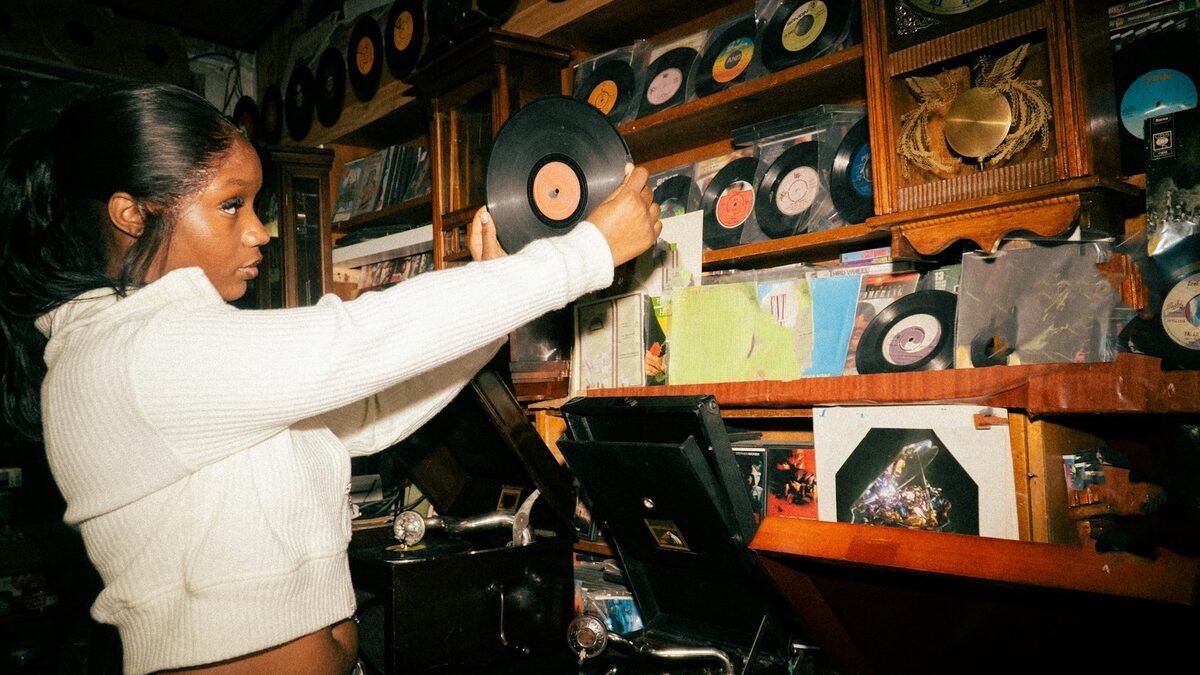
Secondhand and used-disc marketplaces are the single best way to build a collection on a tight budget, but they come with real risk: disc condition claims vary wildly between sellers. A few habits that have saved me from bad purchases:
- Ask about disc surface condition specifically, not just case condition — sellers photograph cases, rarely discs.
- Buy from sellers with return policies when the price is high enough to matter.
- For anything over $25 secondhand, it's often worth paying slightly more from a seller with reviews over saving a few dollars from one with none.
Boutique labels versus studio reissues
Not every disc is priced the same way for the same reasons, and it's worth understanding the difference before you start comparing prices across titles. Boutique labels typically charge more because they're funding new restorations, new commentary tracks, and new packaging from scratch, often for films that would otherwise have no home video presence at all — the $35–$45 price reflects real production cost, not just markup. Studio reissues of recent, popular titles are priced lower because the studio is amortizing an existing transfer across a much larger print run, and because the goal is volume, not archival preservation.
This matters when you're deciding where to spend a limited budget. A $40 boutique disc of an obscure film you love is often the only way that film exists in a decent transfer at all. A $40 studio reissue of something you can already stream in good quality on three different services is a much weaker use of the same money — you're paying for ownership and little else. Neither is wrong to buy. They're just solving different problems.
What not to worry about yet
You do not need acid-free sleeves, a climate-controlled room, or insurance on your collection until you own several hundred discs and some of them are genuinely rare or expensive. Worrying about archival storage at disc number twelve is a way to spend money you could be spending on more films. Buy a normal shelf, keep it out of direct sunlight, and move on.
Start smaller than you think you should
The collectors who stick with this hobby long-term almost always started with five or ten discs they actually loved, not fifty discs bought in a single enthusiastic weekend. Pick three films you'd happily watch again tonight, buy those first, and let the collection grow from films you already know are worth owning rather than films you're hoping will be.
I still remember my first three: a worn secondhand copy of a film my dad had shown me as a kid, a studio reissue I'd bought mostly out of curiosity about a restoration everyone was talking about, and one genuine impulse buy that broke my own rule and turned out fine anyway. None of them were expensive. All three are still on the shelf, which is a better track record than most of what I bought in year two, once the budget got bigger and the discipline got looser. The rule matters more as the collection grows, not less — it's easy to follow when you own five discs and much easier to abandon once you own a hundred.